
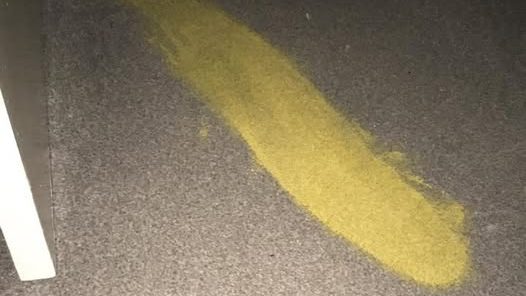


It’s everyone’s worst nightmare, whether you’re a professional decorator like me, or a DIY enthusiast – getting paint on the carpet. It happens to the best of us, no matter how careful we are. I always put dust sheets/drop cloths or other floor protection down, but I’ll admit, I’ve still had accidents, and sometimes I can’t even work out how the paint has got there!
The good news is that paint – particularly small drips or spills – can usually be removed from carpet if handled correctly. If I can stress one thing in this blog, it’s that the faster you act, the better. And that usually means having the right cleaning materials to hand – it’s no good driving half an hour to B&Q and half an hour back again to pick up the materials you need, because by then the paint will be drying, and harder to remove.
What you need, and how to go about it, will depend on the type of paint that’s involved, but rest assured, this will all be explained in detail in this blog and accompanying video. Feel free to skip ahead and just pick out the information you need.
Know What Type of Paint you are Using
Before you even open a tin of paint to start on the job, check to see what type of paint you are using – the crucial question is whether it’s oil- (solvent) or water-based. Most emulsions for walls and ceilings will be water-based.
When it comes to paints for wood and metal, there are options (see our separate blog on “oil- vs water-based paints”). If in doubt, read the back of the tin; most paints will state which category they fall into, but if it isn’t stated explicitly, a good place to look is a section called “Clean Up” (or something similar). If it says “Clean brushes and rollers with water or mild detergent”, then it’s a water-based paint. If it talks about white spirit, clean spirit or another specific cleaning product, it’s almost certainly oil-based.

Tools and Materials You Need to Clean Paint out of Carpet
You will need some or all of the following, depending on the type of paint on the carpet:
- Clean cloths
- Bucket of warm water
- Mild detergent – a lot of decorators (myself included) like to use Pretty Boy Brush Cleaner (available here), which is specifically designed for cleaning up paint, but if you can’t get hold of that, washing up liquid should work fine
- Decorators/DIY Wipes
- Clean Spirit (available here)
- Fine grade sandpaper, ad/or possibly a blunt knife or spoon
How to Remove Wet Water-Based Paint from a Carpet
As mentioned already, the secret is to act fast. Fetch a bucket of lukewarm water, a clean cloth and some detergent. Apply a small amount of detergent to the spill, and rub it gently with your clean wet cloth. You may need to repeat the process several times, rinsing out your cloth in between. With Pretty Boy, you can leave it to soak in for a couple of minutes, as this helps to break down the paint.
If you have access to a wet and dry vacuum, there’s a simple trick you can use. Flood the area with water, scrape the surface to loosen the contamination, then use the vacuum to remove the dirty water.
The video below demonstrates the process much more clearly than words alone.
A hack for cleaning water-based paint out of a carpet
Make sure you’re using a wet and dry vacuum, or you could cause damage.
How to Remove Wet Oil-Based Paint from a Carpet
Again, speed is essential, but the materials you need are different, because oil-based paint can’t be dissolved with water and detergent. Grab a pack of decorators/DIY wipes and rub the spill gently to remove as much paint as possible.
Don’t be worried about using multiple wipes if you need to – a whole pack of wipes is a lot less expensive than a new carpet. If you need a bit more liquid to help loosen the paint, pour a little clean spirit onto the wipe.
How to Remove Dried Water-Based Paint from a Carpet
Once paint has dried, it takes a bit more work to get it out of a carpet. It’s important not to be too rough with the carpet though, to avoid damaging it.
Try to break down the paint stain using fine sandpaper, or a teaspoon or blunt knife (not an Olfa Knife, one you’d use to eat with). Vacuum up any paint that you manage to loosen, and then apply detergent and treat as if it was a wet water-based paint spill. Again, if you’re using Pretty Boy you can leave it to soak in for a couple of minutes, which will help to break down the paint.
Getting different types of paint out of a carpet
Practical advice that works every time.
Things to Avoid when Removing Paint from Carpet
Don’t scrub the carpet too aggressively
Do this, and you will risk damaging it. It’s hard to resist in that moment of panic when you first spot the paint on the carpet, but repeated gentle “dabbing” or wiping is better than over-vigorous scrubbing
Don’t use harsh chemicals
If you really feel that the above methods aren’t working and you need something more serious like harsh chemicals, test whatever you are using on an inconspicuous area first (e.g. behind the sofa!). Or better still (especially for larger spills or expensive/delicate carpets), call in a professional carpet-cleaning specialist. They may not be cheap, but they’ll cost less than a new carpet.

Tips to Avoid Paint on Carpet on Future Jobs
I know, it’s always easy with the benefit of hindsight! But just a few suggestions on how to avoid getting paint on the carpet in the first place:
Use dust sheets
Always use drop cloths/dust sheets and ensure they cover the entire area – remember that they may move as you walk on them, so keep checking. I use rubber-backed ones for extra peace-of-mind. Alternatively, use professional floor protection.
Use a paint kettle
Work from a paint kettle rather than from an open paint tin – if you kick over a kettle with a small amount of paint in, it’s bad, but if you kick over a 5 litre tin of paint it’s a disaster.
Replace lids
Always ensure lids are replaced securely on paint tins when you’re not pouring paint out of them, and keep them at the opposite end of the room to where you are working, to avoid the risk of knocking them over.
Final Thoughts
Paint spills are nobody’s favourite occurrence, and I’m sure we all feel that rush of panic when we discover one. The important thing is to act quickly, but stay calm. Use the right materials for the type of paint you’ve been using, and keep repeating the process patiently until you’re confident you’ve cleaned up all the paint (without over-saturating the carpet).









0 Comments