
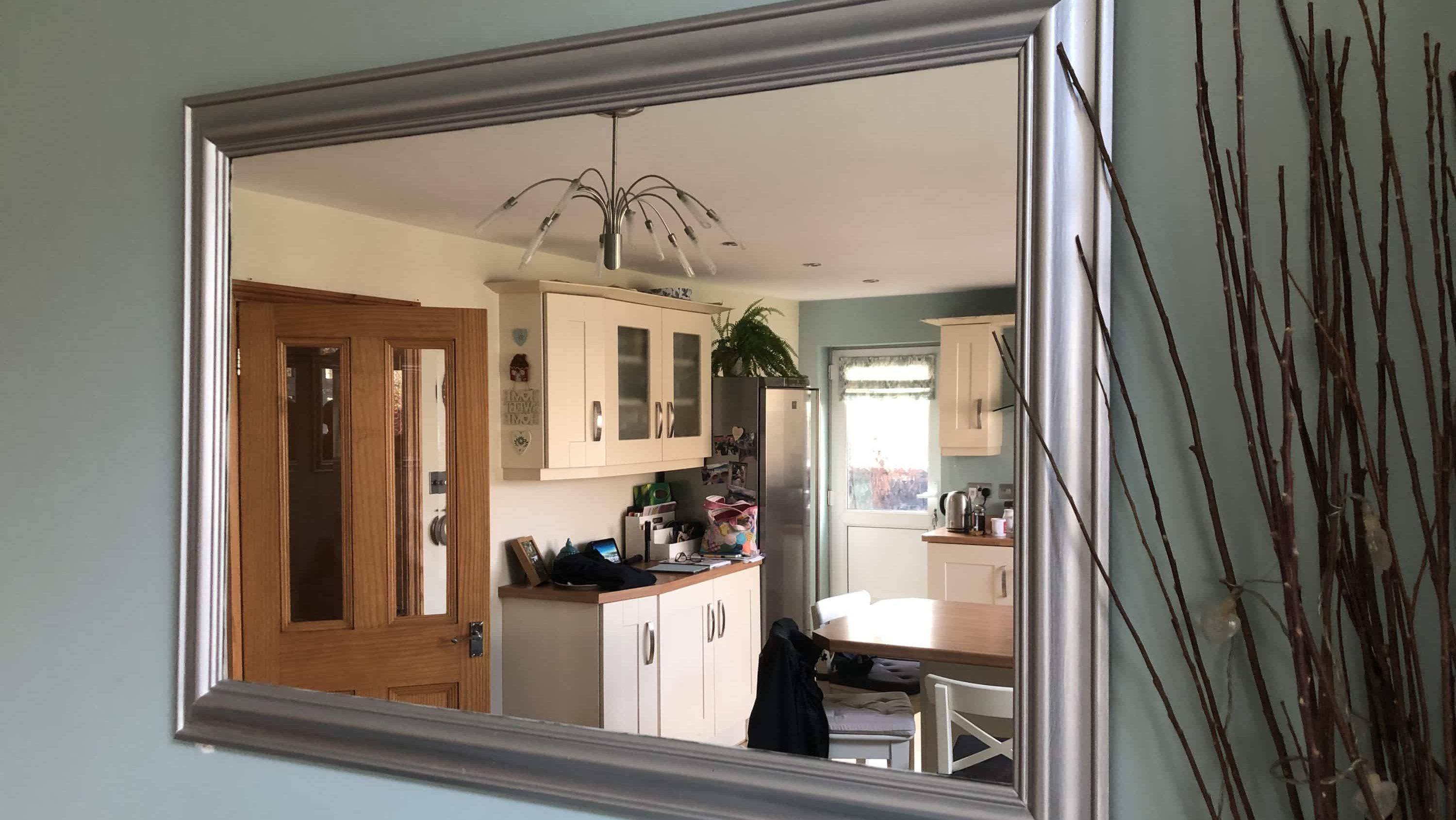


Even as a professional decorator, using metallic paints is not something I do every day. But it is something I enjoy, and I think I’m doing more often these days compared to say a decade ago.
It’s a way of adding a splash of luxury, or making a little “peacock” feature, without having to spend a lot of money. Light will naturally pick up the metallic paint and draw your eye to it, so whatever you use metallic paint on will instantly become a feature in the room.
Over my twenty or so years in the trade, I’ve used metallic paint on everything from bathroom tiles to dressing tables, bedsteads to feature walls. I wouldn’t necessarily choose the same paint for each of those situations though – some are more suitable to for walls, others for little details.
In this blog we’ll look at some of the areas around the home where metallic paints can look particularly good, talk about different types (and finishes) of paint, and get into specifics on some of my personal favourites. Feel free to skip ahead and just pick out the information you’re looking for.
What Are Metallic Paints?
Quite simply, metallic paints contain tiny metallic particles (or “artificial” metallic particles designed to behave in a similar way), which reflect the light in the same way that metal would. Typically, these particles will be aluminium- or mica-based, chosen to reflect and scatter light in the same way that a metallic surface would. When combined with the right pigments in the paint, this gives the impression of a “natural” gold, silver, bronze (etc) colour.
These days, metallic paints are available in a few different formats, designed to make application easy. The days of having to use heavy, sticky, oil-based enamels to achieve a metallic look are thankfully behind us; water-based paints that can be applied with a brush or roller are now available, and so are easy-to-use aerosols for smaller jobs.

Where to Use Metallic Paints Around the Home
Really the only limit is your imagination. I’ve never painted a metallic ceiling, but I can imagine in the right setting it could look amazing. Here are some of the more popular situations where metallic paints can look particularly good:
Feature walls in bedrooms, living rooms or dining rooms
Metallics can make a real statement as a feature wall – I’ve used them in teenagers’ bedrooms, for example. One of my favourites was for a couple who had a bar in their living room, and I painted the wall behind the bar for them; not only did it look great, it also helped to “zone” the room.
Furniture Painting and Upcycling Projects
Bedside cabinets, dressing tables, drinks cabinets, bedsteads… again, your imagination is pretty much the only limit. Often it works well to only paint small features on an item, like the mouldings/beading, or the wooden drawer knobs on a chest of drawers, for example.
It makes the whole piece of furniture look like it’s been “upgraded” for very little money. Picture frames are another one – any tatty old second-hand frame (or cheap mass-produced ones) can be pretty much instantly transformed (see our separate blog on “How to spray a picture frame” for more details on how to go about it).

Architectural details
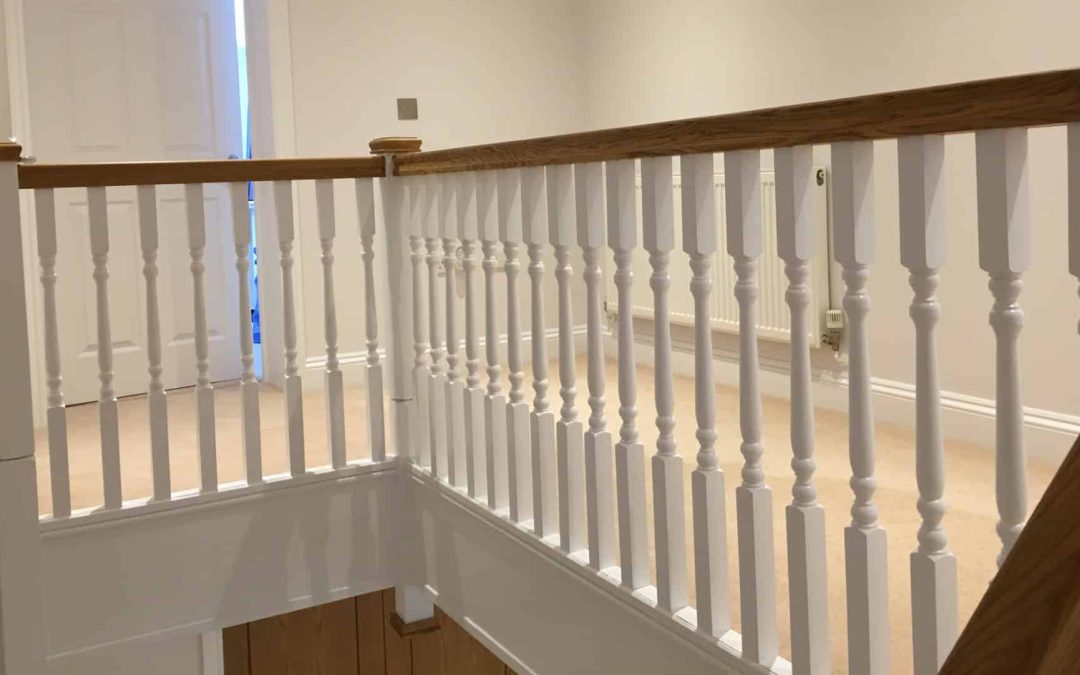
Radiators, cornices, fireplaces or even stair spindles can all be enhanced with a splash of metallic paint. It doesn’t have to be “bold and brash” either – an old-fashioned radiator painted with pewter or copper metallic paint looks quite understated, yet still catches the eye. Copper against a dark blue wall looks absolutely stunning!
Different Types and Finishes of Metallic Paint
The two most common formats for metallic paints are “regular” paints (in a tin, that you apply with a brush or roller), and aerosols. Within each type, there are variations on sheen level (high gloss to more understated satin finish).
Also, different paints are more/less suitable for different surfaces or rooms, so it pays to do a bit of research and read manufacturers’ websites in details first, before choosing the right one for your specific situation.

The Best Metallic Paints for Interior Walls
As mentioned earlier, a metallic feature wall can look great in the right situation. I try to talk customers out of doing it in high-traffic areas like hallways, because often these paints aren’t as durable as ones that are designed specifically to stand up to a bit of wear and tear, and a few scuffs can soon ruin the effect.
Similarly, I would be cautious in kitchens and bathrooms, as these paints may not be suitable for moist, humid environments, and may not last well if frequently wiped down.
That said, here are a couple of recommendations for metallic wall paints, from different ends of the pricing spectrum:
Crafted by Crown
I think these used to be part of the mainstream Crown Retail range (i.e. not Trade paints). They have a range of half a dozen colours, from “Granite Top” (which is a dark grey) to “Millionaire” (gold) and “Sophistication” (silver).
They’re quite affordable, but only available in 1.25L sizes. From experience, you need to be careful with your roller technique, because unlike a flat matt emulsion, the light will reflect on and highlight any imperfections; always roll in the same direction (up and down), finishing with an upward stroke with minimal pressure applied.

Tikkurila Taika
Approximately 2-3 times the price of Crafted by Crown, but available in a much wider range of colours, and sizes from 100ml to 3L. Additionally, as well as walls it can be used on wood- and metalwork (after a suitable primer), and as well as brush/roller, it can be applied by spray.
It’s water-based and touch-dry after an hour, but they recommend waiting six hours before applying a second coat.

Cheat!
OK, not really a serious suggestion, but if your wallpapering skills are better than your painting (or you’re having difficulty obtaining either of the above paints for some reason), metallic-effect wallpapers are available (see photo).

Best Metallic Paint for Furniture Upcycling or Architectural Features
It really depends on whether you want to use a brush or an aerosol. If you’re worried about brush marks, then an aerosol will overcome this and give you a perfect finish.
On the other hand, if masking up the surrounding area is going to be challenging, then use a brush. I’m happy doing either – the silver on the bed at the beginning of the blog was applied with an aerosol, whereas the gold on this bench was applied by brush.
Best Aerosol Metallic Paint
Maston Metallic – really simple to use, and to achieve a great finish with. They’re available in silver, gold and rose gold, plus a selection of “non-metallic” colours with metallic particles added. E.g. metallic black. You can use them on all sorts of surfaces, including plastic, glass, metal and wood (some surfaces will need proper priming first), and once fully cured, they’re quite hard-wearing, which is a nice bonus!

Best Brush-Applied Metallic Paint
Polyvine Metallic. Great for painting details on furniture upcycling projects, it’s pretty hard-wearing and can be used on all sorts of surfaces – both inside and out! As well furniture, you can use it on pottery, ornate plasterwork (e.g. cornice), metalwork, railings… and yes, you could use it on interior walls too (although I haven’t used it for that myself). You can rad our full review of Polyvine metallic Paint here.


Metallic Paint – Dos and Don’ts
Some of these are just my personal preference, which you can ignore if you want to, but some are pretty essential if you want to achieve a good finish.
Don’t overdo it
One feature wall looks great; a whole room somehow loses the impact. Similarly, using metallic paint to highlight a few features on a piece of furniture, or ornate cornice, looks great, but if you paint the whole item with it, it loses its “specialness”.
Do check to see if the paint you’ve chosen requires a primer
Do this before use on the specific material you are painting – not all metallic paints are the same.
Don’t skip your prep!
The reflective nature of these paints means that any imperfections in the surface will be highlighted.
Do take note of the manufacturer recommended re-coat times
These are important when you’re using any paint, but particularly when you’re using metallic paints.
Don’t use metallics in a room where the lighting is poor
To get the full benefit of the paint, you want the light to reflect off the metallic particles, and if there’s not much light, you won’t get as noticeable an effect.
Do stir the paint (or shake the can) before use
The metallic particles can settle to the bottom of the tin, and to get the look you’re striving for you need them to be mixed consistently through the product.
Do have fun with it
That’s what they’re for!
Final Thoughts on Metallic Paints in the Home
Used in moderation, metallic paints can make a dramatic impact. One of my favourite customers refers to them as “the bling paints”. They’re probably not right for colour-drenching, but if you use them to highlight details around the room – either on a feature wall, on furniture or on architectural feature – they can look amazing.







0 Comments