
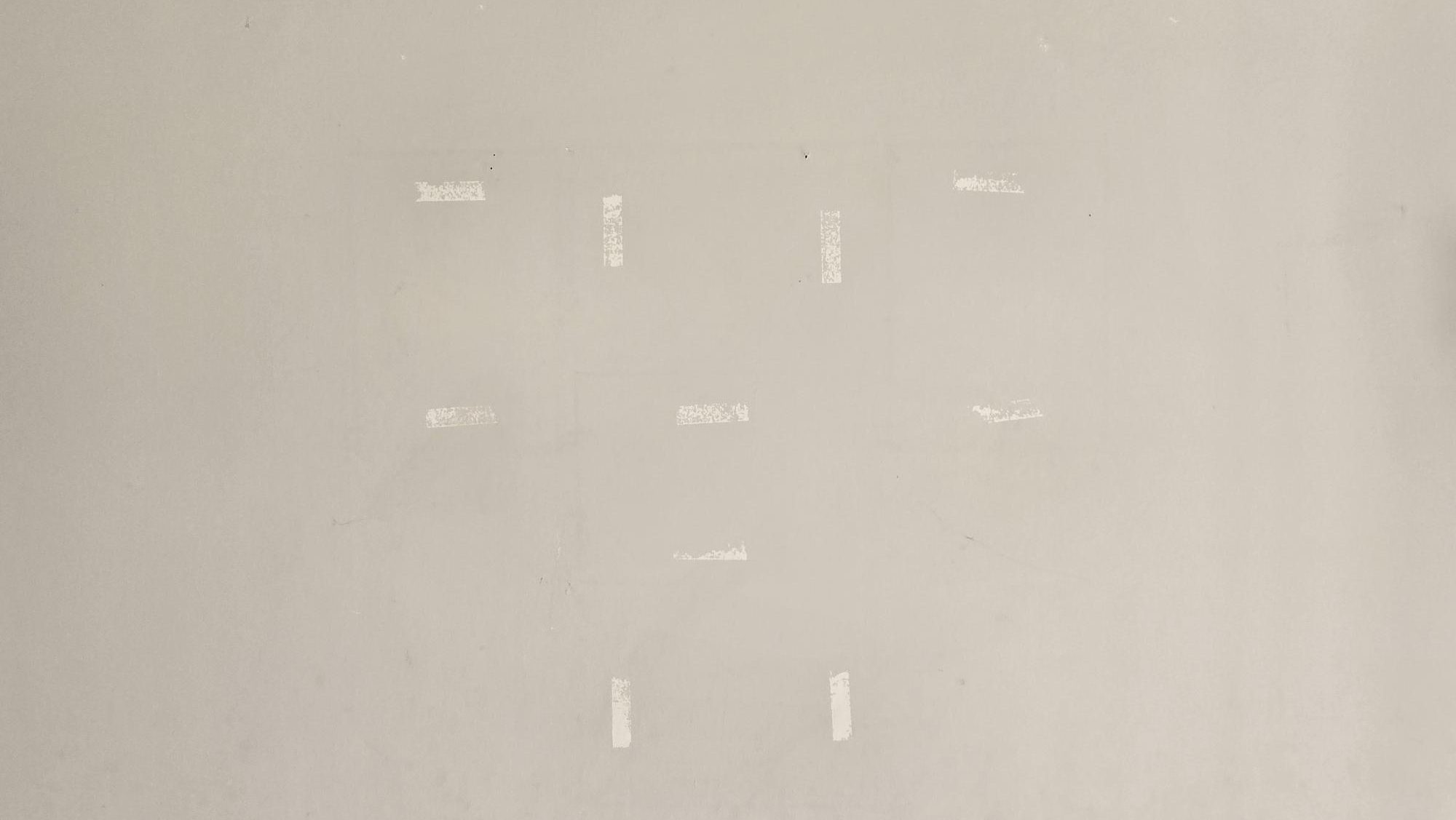


It’s a problem I’ve come across many times during my time as a professional decorator; kids putting countless stickers on their bedroom walls and doors, adults hanging Christmas decorations up using sticky tape, even duct tape used to hold things in place on the walls or woodwork.
Many times I’ve seen instances of sticky tape having been painted over by someone, and there’s really no need – it’s simple enough to remove it. And it’s not just simple to do; it’s an important part of the prep that’s needed when getting a room ready to paint. Failure to remove the stickers or sticky tape (and importantly, all adhesive residue) can leave you with all sorts of problems:
- Visible lumps, bumps and imperfections
- Poor paint adhesion, leading to paint either not “taking” in the first place, or peeling/flaking at a later date
- Adhesive residue bleeding through as a stain in your new paint
Proper prep is essential for a good decorating job, and removing stickers, sticky tape and their residue is an important part of that prep. In this blog we’re going to take you through the process step-by-step, and make one or two recommendations of products that can help you remove sticker residue easily.
Why It’s Essential to Remove Sticky Tape/Stickers and Their Residue Before Painting
The simple answer is, if you don’t remove them it will ruin your finish. The tape, stickers or their residue will be visible through your paint, leaving bumps and ridges that will be obvious with the naked eye. Additionally, any remaining adhesive residue will probably react with your paint, stopping it from adhering properly to the surface.
This can result in a “patchy” finish, or areas where the paint doesn’t “take” at all. Or the adhesive bleeds back through your paint leaving a stain. Or the paint may fail in the future, cracking, peeling or flaking. Honestly, if you want a good finish it’s not worth taking short cuts – remove the stickers and their adhesive residue thoroughly before painting, and then there’s no risk of these problems.

Tools and Materials Needed
- Plastic spatula or scraper, or old credit card
- Microfibre cloths
- Bucket of warm water
- Pretty Boy Brush Cleaner
- Fine sandpaper (180 – 240 grit)
- Adhesive Remover
- Disposable gloves
- Possibly masking tape and/or film to protect nearby surfaces, depending on where the stickers are
- Possibly shellac-based primer and paint brush
How to Remove Sticky Tape and Sticker Residue
Peel away as much of the sticker or tape as you can, but gently
It’s important not to gouge the surface underneath, otherwise you’re creating more prep for yourself! Try using your thumb nail, a plastic spatula, or an old credit card to lift stubborn edges, or maybe a sharp knife just to gently lift one corner so you can get hold of it, and then peel slowly and gently. Sometimes applying a little heat (e.g. from a hairdryer) can help to soften the adhesive.
Scrape away
Scrape away as much residual adhesive as you can, again being gentle and using plastic implements as described above.
Wash with warm soapy water and a microfibre cloth
This removes any dirt and loose residue, and allows you to see more clearly how much adhesive is left on the surface. You can use washing up detergent, but I like to use Pretty Boy Brush Cleaner (because I always have some with me!). Although it’s designed for cleaning and conditioning paint brushes and rollers, it comes in handy for all sorts of other cleaning jobs on site!
Apply your adhesive remover product
Read the instructions on the pack carefully and follow them, but in most cases it’s a question of applying the product using a cloth, allowing a few minutes for it to start dissolving the adhesive, and then gently wiping the area clean.
You may need to repeat this step several times, depending on how big the area is, how strong the adhesive is, etc. It’s always best to test any product in a small area that’s not noticeable (e.g. behind a large piece of furniture), to ensure that the product doesn’t cause any damage to the substrate (some of these products contain harsh chemicals, so it’s better to be safe than sorry). Wear disposable gloves when applying product.
Wipe clean
If wiping clean doesn’t remove the residue, try scraping again with a plastic implement, apply more product, wait and scrape again. Usually, even the most stubborn adhesive will be loosened by repeating these steps.
Wipe clean
When you are sure all the adhesive residue is gone, wipe with a clean damp cloth or a decoraor’s wipe, and then if appropriate sand the area with some fine sandpaper just to be sure (“if appropriate” means if you are going to be painting the surface – not if it’s a window for example that will show the scratch marks forever!).
Should I Prime After Removing Sticky Residue?
That depends. In some situations I would:
- If the removal of the sticker/tape/residue has resulted in damage to the paint surface underneath, then this area should be filled with an appropriate filler (e.g. wood filler for wood), sanded smooth, and then “spot primed”
- If either the sticker, or the removal product, has left an oily stain on the wall that doesn’t dry out, then I would spot prime this area with a stain blocking primer (e.g. a shellac-based primer like Smith & Rodger’s Blockade).
- If the sticker has come away clean and there’s no damage, residue or stain, then there should be no need to spot prime the area.

Best Products for Removing Sticker Residue
Here are a few suggestions of what you can use to remove sticker residue. Almost every DIY or hardware store will have something suitable in stock, but here are a couple of suggestions:
- HB42 Solvent – fast acting and very effective. Available online here.
- Scrubb Adhesive Remover – widely available and suitable for many surfaces.
- Maston Sticker Remover (aerosol).
FAQs
Can you paint over sticky tape residue?
No, it’s not recommended. The paint probably won’t adhere properly and will likely fail in the future, and the residue will remain visible. Either way, you will not end up with a good finish
Does vinegar remove sticker adhesive residue?
It can do, especially for small/light deposits, but specialist products are generally mor effective.
Should I sand the surface after removing sticky tape?
If you are planning to paint the surface, then yes, a light sanding will help remove the last of the residue and provide a good surface for painting. On surfaces that you are not planning to paint, do not sand, as scratches in the surface may remain visible.
Can I use WD-40 to remove stickers?
WD-40 can help with the removal of stickers, but on some surfaces may give you another problem. Being oil-based, it may soak into porous surfaces (e.g. plasterwork), and will need to be painted over with a shellac-based primer to stop the oil bleeding back through your paint. Even on less porous surfaces such as painted wood, you must take extra care to thoroughly clean off any WD-40 before painting, otherwise it could prevent your paint from adhering properly.










0 Comments